

The Ultimate Guide to Self-Assessment for Personal and Professional Growth

Introduction to Self-Assessment
A self-assessment is an indispensable instrument for consistently advancing your career. It enables you to assess your skills, knowledge, and experience to pinpoint areas for improvement and establish objectives for personal and professional growth. By routinely undertaking self-assessments throughout your career, you can guarantee that you're on the correct path and make modifications as needed.
Why You Should Embrace Self-Assessment
Discovering Strengths and Weaknesses
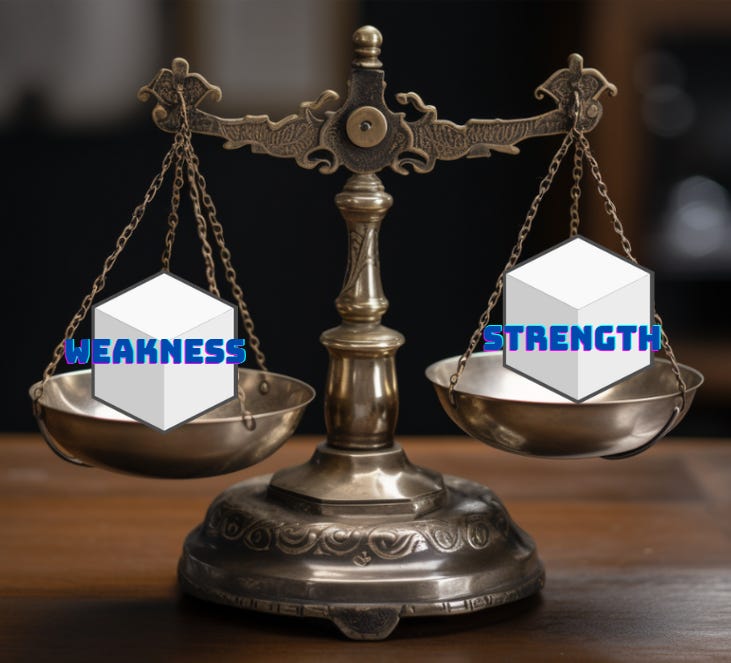
The primary advantage of a self-assessment is the capacity to identify your strengths and weaknesses. Acknowledging these areas enables you to capitalize on your strengths and devise strategies to address your weaknesses. This leads to enhanced performance, productivity, and overall career satisfaction.
Establishing and Accomplishing Career Goals
Self-assessments aid you in setting realistic and attainable career objectives. By comprehending your current abilities and skills, you can devise a plan for personal and professional growth. This encompasses establishing short-term and long-term goals that align with your aspirations and propel you toward success.
Continuous Learning and Skill Development
The working world is in constant flux, necessitating the acquisition of new skills and knowledge. Self-assessments can help you recognize gaps in your skill set and areas where further learning is needed. This fosters a continuous learning mindset, rendering you a more valuable and adaptable employee.
Adjusting to Industry Shifts
Industry advancements and trends can substantially impact your career. Regular self-assessments ensure you're cognizant of these changes and can adjust accordingly. By staying ahead of the curve, you can maintain competitiveness in the job market and solidify your position within your industry.
Enhancing Your Confidence and Morale
Self-assessments can bolster your confidence by spotlighting your accomplishments and progress. Recognizing your achievements can be motivating and elevate your overall morale, rendering you a happier and more productive employee.

Conducting an Effective Self-Assessment
Creating the Right Environment
a. Eliminating Distractions
To execute a successful self-assessment, it's crucial to establish an environment devoid of distractions. Find a tranquil space where you can concentrate and reflect on your career without interruptions.
b. Scheduling Time for Self-Assessment
Allocate regular time for self-assessments, such as quarterly or annually. This ensures you're consistently evaluating your progress and making necessary adjustments to stay on track.
Selecting the Appropriate Assessment Tools
a. Online Assessments and Quizzes
Numerous online assessments and quizzes are available to help you evaluate your skills, personality, and career preferences. Some popular tools include the Myers-Briggs Type Indicator (MBTI), StrengthsFinder, and DiSC assessments. These tools can offer valuable insights into your work style, strengths, and potential career paths.
b. Journaling and Self-Reflection
Journaling is another effective method for self-assessment. Regularly writing about your experiences, achievements, and challenges can provide a deeper understanding of your career progress and areas for improvement. Reflecting on your journal entries can help you identify patterns and trends, guiding your future career decisions.

Seeking Feedback from Others
a. Colleagues, Managers, and Mentors
Feedback from others is an invaluable component of self-assessment. Solicit input from colleagues, managers, and mentors to gain different perspectives on your performance and areas for growth. This feedback can help validate your self-assessment results and provide additional guidance on your career journey.
b. Performance Reviews
Performance reviews are another opportunity to receive feedback and assess your progress. Utilize these reviews as an opportunity to discuss your goals and development plans with your manager, ensuring you're aligned with company objectives and expectations.
Consistently conducting self-assessments throughout your career is vital for ongoing growth and success. By regularly evaluating your skills, strengths, weaknesses, and goals, you can adapt to industry changes, enhance your performance, and boost your confidence. Implementing effective self-assessment practices will set you up for a fulfilling and successful career.
Frequently Asked Questions
How often should I conduct a self-assessment?
Regular self-assessments are essential for continuous improvement. Schedule them at least once a year or more frequently, such as quarterly, depending on your personal preferences and career goals.
What tools can I use for self-assessment?
There are numerous online assessments, quizzes, and journaling techniques available to help you conduct a self-assessment. Popular tools include the Myers-Briggs Type Indicator (MBTI), StrengthsFinder, DiSC assessments, and reflective journaling.
Is feedback from others necessary for self-assessment?
Yes, feedback from colleagues, managers, and mentors can provide valuable insights and different perspectives on your performance. It can help validate your self-assessment results and offer guidance on your career journey.
How can I use self-assessment results to improve my career?
Utilize your self-assessment results to pinpoint areas of improvement, set realistic goals, and develop a plan for personal and professional growth. Continuously learning and adapting to industry changes will make you more valuable in the job market.
Can self-assessment boost my confidence and morale?
Yes, recognizing your achievements and progress through self-assessment can boost your confidence and morale, making you a happier and more productive employee.
This is a great article, Almetha! It's a relevant topic that isn't often talked about. Thank you for sharing it.
Thanks for sharing, Almetha. This has reminded me of the importance of self assessment!